Welcome to the ultimate guide on IoT Hub—a game-changing technology that’s quietly revolutionizing how devices talk, think, and act together. Whether you’re a tech enthusiast or a business leader, understanding IoT Hub is no longer optional—it’s essential.
What Is an IoT Hub and Why It Matters

The term IoT Hub might sound technical, but its concept is surprisingly simple: it’s a central nervous system for your Internet of Things (IoT) ecosystem. Think of it as the brain that collects, processes, and routes data from thousands—or even millions—of connected devices, from smart thermostats to industrial sensors.



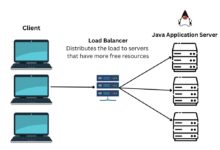


The Core Definition of IoT Hub
An IoT Hub is a managed cloud service that acts as a central message hub for bi-directional communication between IoT devices and a cloud application. It’s not just a data collector; it’s a secure, scalable, and intelligent gateway that enables real-time monitoring, command execution, and analytics.
- Acts as a central communication point between devices and the cloud
- Supports secure, reliable, and scalable messaging
- Enables device-to-cloud and cloud-to-device messaging
For example, Microsoft Azure IoT Hub is one of the most widely used platforms, offering robust device management, security, and integration with AI and analytics tools. You can learn more about it on the official Microsoft documentation.
How IoT Hub Differs from Regular Hubs
Unlike a traditional network hub that simply broadcasts data to all connected devices, an IoT Hub is intelligent. It filters, authenticates, and routes messages based on rules, device identity, and security policies.
- Traditional hubs operate at Layer 1 (physical layer) of the OSI model
- IoT Hubs operate at higher layers, handling application-level logic and security
- IoT Hubs support protocols like MQTT, AMQP, and HTTPS for efficient communication
“An IoT Hub isn’t just a pipe—it’s a smart filter, a security gatekeeper, and a data orchestrator all in one.”
Key Functions of an IoT Hub
The power of an IoT Hub lies in its multifaceted functionality. It’s not just about connecting devices—it’s about making them work together intelligently, securely, and efficiently.
Device Management and Provisioning
One of the most critical roles of an IoT Hub is managing the lifecycle of connected devices. This includes onboarding new devices, updating firmware, monitoring health, and decommissioning old ones.
- Automated device provisioning using DPS (Device Provisioning Service)
- Remote firmware updates (OTA—Over-The-Air)
- Device twin synchronization for consistent state management
For instance, AWS IoT Core offers device management features that integrate seamlessly with its IoT Hub-like architecture, allowing enterprises to manage millions of devices at scale. Explore more at AWS IoT Core.
Secure Data Transmission
Security is non-negotiable in IoT. An IoT Hub ensures that every message sent or received is encrypted, authenticated, and authorized. It uses X.509 certificates, SAS tokens, and role-based access control (RBAC) to protect data integrity.
- End-to-end encryption using TLS/SSL
- Device identity management to prevent spoofing
- Granular access control for different user roles
“In a world where a single unsecured device can compromise an entire network, the IoT Hub is the first line of defense.”
Real-Time Data Processing and Routing
An IoT Hub doesn’t just store data—it routes it intelligently. Using built-in rules engines, it can send telemetry data to different endpoints like Azure Stream Analytics, Power BI, or custom applications based on content, device type, or location.
- Message routing based on tags, properties, or message body
- Integration with serverless functions (e.g., Azure Functions)
- Support for time-series databases like InfluxDB or Azure Data Explorer
Top IoT Hub Platforms in 2024
Not all IoT Hubs are created equal. Different platforms offer unique features, scalability, and integration capabilities. Let’s explore the leading players in the market.
Microsoft Azure IoT Hub
Azure IoT Hub is one of the most comprehensive and widely adopted IoT Hub solutions. It’s part of Microsoft’s broader Azure cloud ecosystem, making it ideal for enterprises already using Azure services.
- Supports millions of devices with low-latency communication
- Deep integration with Azure Digital Twins and Azure AI
- Advanced security with Azure Defender for IoT
Its device twin feature allows developers to maintain a synchronized copy of device state in the cloud, enabling remote configuration and monitoring. Learn more at Azure IoT Hub.
AWS IoT Core
Amazon Web Services’ IoT Core functions as a managed IoT Hub, allowing devices to securely connect and interact with cloud applications and other devices.
- Supports MQTT, HTTP, and WebSockets
- Integrated with AWS Lambda for event-driven computing
- Robust device shadowing for state management
AWS IoT Core excels in scalability and serverless integration, making it a top choice for startups and large-scale deployments alike. Visit AWS IoT Core for details.
Google Cloud IoT Core (Now Part of Vertex AI)
While Google has deprecated its standalone IoT Core service, its functionality has been integrated into Vertex AI and Pub/Sub, offering a more AI-driven approach to IoT data management.
- Leverages Google’s machine learning expertise for predictive analytics
- Strong integration with BigQuery for data warehousing
- Real-time streaming with Google Cloud Pub/Sub
“Google’s shift from IoT Core to AI-centric tools reflects the industry’s move toward intelligent, predictive IoT systems.”
IoT Hub in Smart Homes: The Invisible Conductor
Behind every seamless smart home experience—lights turning on automatically, thermostats adjusting to your preferences, or security cameras sending alerts—there’s an IoT Hub working silently in the background.
How IoT Hub Connects Smart Devices
In a smart home, devices from different manufacturers (e.g., Philips Hue, Nest, Ring) need to communicate. The IoT Hub acts as a universal translator, normalizing protocols like Zigbee, Z-Wave, and Wi-Fi into a unified language.
- Translates between different communication protocols
- Enables voice control via integration with Alexa, Google Assistant, or Siri
- Supports automation rules (e.g., ‘If motion detected, turn on lights’)
For example, Samsung SmartThings Hub uses an IoT Hub architecture to connect and control over 200+ device types, making it one of the most versatile home automation centers. Learn more at SmartThings.
Security Challenges in Home IoT Hubs
While convenient, home IoT Hubs are prime targets for hackers. A compromised hub can give attackers access to cameras, door locks, and personal data.
- Weak default passwords and outdated firmware are common vulnerabilities
- Network segmentation (e.g., VLANs) can isolate IoT traffic
- Regular security audits and updates are critical
“Your smart home is only as secure as your IoT Hub—treat it like the front door to your digital life.”
Industrial IoT Hub: Powering the Fourth Industrial Revolution
In manufacturing, energy, and logistics, IoT Hubs are transforming operations through real-time monitoring, predictive maintenance, and autonomous decision-making.
Predictive Maintenance with IoT Hub
One of the biggest cost savers in industry is predictive maintenance—knowing when a machine will fail before it does. IoT Hubs collect vibration, temperature, and pressure data from sensors, feeding it into AI models that predict failures.
- Reduces unplanned downtime by up to 50%
- Lowers maintenance costs by 10–40%
- Extends equipment lifespan
Siemens MindSphere, built on an IoT Hub architecture, enables factories to monitor thousands of machines in real time. Explore it at Siemens MindSphere.
Supply Chain Visibility and Tracking
IoT Hubs enable end-to-end visibility in supply chains by tracking goods via GPS, RFID, and environmental sensors. This is crucial for perishable goods, pharmaceuticals, and high-value shipments.
- Real-time location tracking
- Temperature and humidity monitoring
- Automated alerts for deviations
IoT Hub Security: The Foundation of Trust
No IoT system is trustworthy without rock-solid security. The IoT Hub is the gatekeeper, ensuring that only authorized devices and users can access the network.
Authentication and Device Identity
Every device connecting to an IoT Hub must prove its identity. This is done through cryptographic methods like X.509 certificates or symmetric keys.
- Each device has a unique digital identity
- Prevents unauthorized devices from joining the network
- Supports zero-trust security models
Data Encryption and Privacy Compliance
Data in transit and at rest must be encrypted to comply with regulations like GDPR, HIPAA, and CCPA. IoT Hubs use AES-256 encryption and secure key management systems.
- End-to-end encryption from device to cloud
- Audit logs for compliance reporting
- Data residency options for regional compliance
“In IoT, privacy isn’t a feature—it’s a requirement. The IoT Hub ensures that data is protected from sensor to server.”
Future Trends: Where Is IoT Hub Headed?
The IoT Hub is evolving rapidly, driven by AI, edge computing, and 5G. The future is not just connected—it’s intelligent, autonomous, and decentralized.
Edge Computing and Fog IoT Hubs
Instead of sending all data to the cloud, future IoT Hubs will process data at the edge—closer to the source. This reduces latency and bandwidth usage, critical for applications like autonomous vehicles and real-time robotics.
- Edge IoT Hubs can operate offline during network outages
- Reduces cloud dependency and costs
- Enables real-time decision-making
For example, Azure IoT Edge allows deploying cloud intelligence directly on devices, turning them into mini IoT Hubs. Learn more at Azure IoT Edge.
AI-Driven IoT Hubs
Future IoT Hubs will not just route data—they’ll interpret it. With embedded AI, they’ll detect anomalies, predict trends, and even take corrective actions without human intervention.
- Anomaly detection in network traffic
- Predictive analytics for energy optimization
- Autonomous response to security threats
Blockchain for IoT Hub Security
Blockchain technology could revolutionize IoT Hub security by providing a decentralized, tamper-proof ledger for device identities and transactions.
- Eliminates single points of failure
- Enables secure peer-to-peer device communication
- Supports smart contracts for automated device behavior
“The fusion of blockchain and IoT Hub could create the most secure, transparent, and autonomous networks the world has ever seen.”
How to Choose the Right IoT Hub for Your Needs
With so many options, selecting the right IoT Hub can be overwhelming. Here are key factors to consider.
Scalability and Performance
Will your IoT Hub handle 10 devices or 10 million? Choose a platform that scales seamlessly with your growth.
- Check message throughput (messages per second)
- Look for auto-scaling capabilities
- Ensure low-latency communication for real-time apps
Integration with Existing Systems
Your IoT Hub should work with your current tech stack—ERP, CRM, analytics tools, or legacy systems.
- API availability and SDK support
- Pre-built connectors for common platforms
- Support for custom integrations
Cost and Total Ownership
Beyond subscription fees, consider costs for data transfer, storage, and support.
- Compare pricing models (per device, per message, etc.)
- Factor in development and maintenance costs
- Look for free tiers for prototyping
What is an IoT Hub?
An IoT Hub is a centralized cloud service that enables secure, bi-directional communication between IoT devices and applications. It manages device connectivity, data routing, security, and monitoring.
Which IoT Hub platform is best for enterprises?
Microsoft Azure IoT Hub is often preferred for enterprises due to its robust security, scalability, and integration with AI and analytics tools. AWS IoT Core is also a strong contender, especially for organizations already in the AWS ecosystem.
Can IoT Hubs work offline?
Traditional cloud-based IoT Hubs require internet connectivity. However, edge IoT Hubs (like Azure IoT Edge) can process data locally and sync with the cloud when connectivity is restored.
How secure are IoT Hubs?
Top-tier IoT Hubs use advanced security measures like end-to-end encryption, device identity management, and role-based access control. However, security also depends on proper configuration and regular updates.
What’s the future of IoT Hubs?
The future lies in edge computing, AI integration, and blockchain-based security. IoT Hubs will become smarter, faster, and more autonomous, enabling real-time, intelligent decision-making across industries.
The IoT Hub is no longer just a technical component—it’s the backbone of the connected world. From smart homes to industrial automation, it enables devices to communicate, learn, and act with unprecedented intelligence. As technology evolves, so too will the IoT Hub, becoming more secure, efficient, and intelligent. Whether you’re building a smart product, managing a factory, or securing a home, understanding and leveraging the power of the IoT Hub is the key to staying ahead in the digital age.
Further Reading: